The Art of Remembrance: Symbolism in Columbarium Design and Architecture

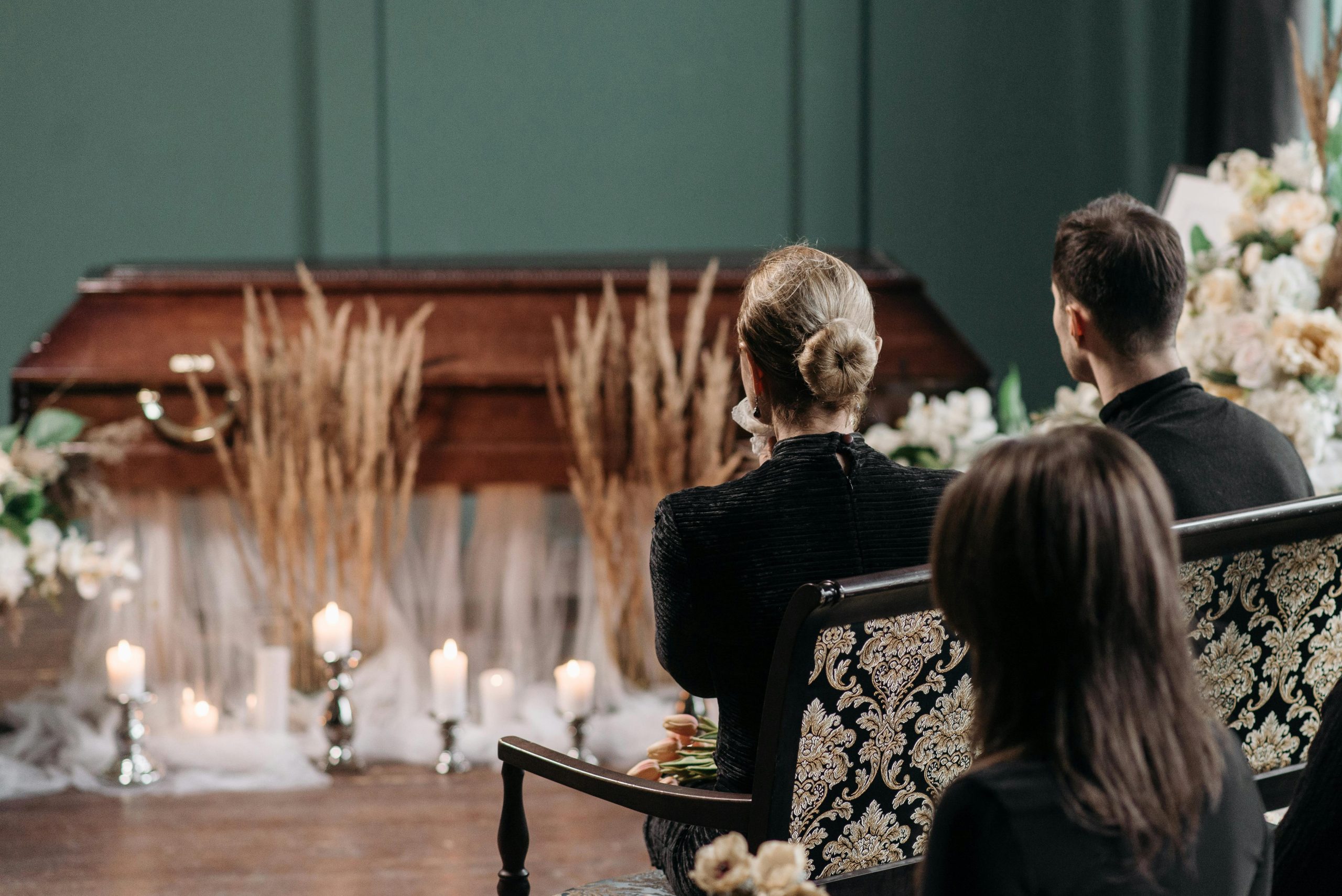
Death is a process that all people will eventually experience. We visit cemeteries and columbariums, pay our respects, and grieve for our departed loved ones as the ones who remain in this world. In the process, we also reconsider what life is all about. The memorial area thus becomes an outlet between the living and the dead, and the way we create interaction inside this area will influence the living’s perspective.
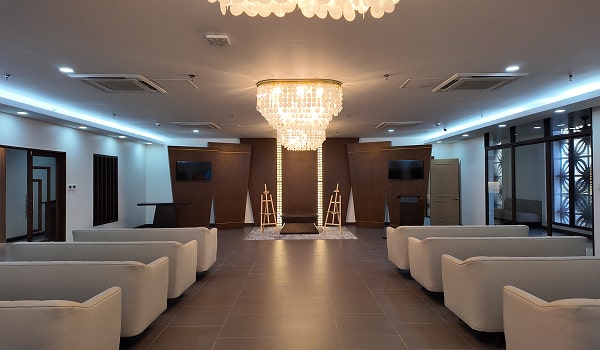
Spaces for reflection and remembering are peaceful havens where time seems to stop in a world that is always changing. A columbarium is a hallowed place intended to respect life, cherish memory, and provide solace to those left behind and it is more than just a place for ashes to repose. Our perception of remembering is greatly impacted by the artistry and meaning in its architecture and design.
READ MORE: Finding Peace in Remembrance the Benefits of Columbarium Inurnment
Light as a Symbol of Life
An essential aspect of columbarium design, natural light represents hope, continuity, and the soul’s eternal presence. The interiors of Aeternitas are softly illuminated by skylights and reflective surfaces, fostering a tranquil environment that promotes reflection and recovery.
Curves, Circles, and the Eternal
The cyclical nature of life, death, and rebirth is symbolised by architectural features like curved walls and circular decorations. The reassurance that the spirit continues its journey even when life on earth ends is provided by these shapes, which allude to eternity and unity.
The idea of the eternal means that life doesn’t truly end, it continues in some way. In architecture, curves and circles are used to show this. A circle has no end, so it’s a symbol of forever, unity, and the cycle of life.In memorial places, curved walls or round shapes remind us that even if someone dies, their spirit or memory goes on. These shapes help people feel comforted, showing that life moves in a cycle-birth, death, and rebirth-and that we are all connected in something bigger and lasting.
The Role of Art and Sacred Geometry
Sacred geometry-inspired designs, such the golden ratio, mandalas, or the flower of life, give memorial areas multiple levels of significance. These patterns appeal to a universal sense of order and connection and have been utilised for ages in philosophical and religious traditions. The Holocaust Memorial in Berlin, the rows of concrete blocks are arranged in a grid pattern, showing order and symmetry, which makes visitors feel the deep meaning and emotions behind the design.
Nature as a Comforting Companion
Columbarium areas incorporate flora, water elements, and landscaped gardens to showcase the timeless beauty of life. In addition to respecting the natural cycle of life, these natural factors also help the bereaved emotionally. Nature provides silent reminders that life persists in new forms, which helps to ease sadness.
Stone and structure are only one aspect of the art of recollection. Columbariums like Aeternitas are not simply resting places but also sacred spaces for reflection, celebration, and healing because of their exquisite design and potent symbolism. Architecture serves as a connection between the eternal and the temporal in these settings, providing solace and significance in the process of remembering.
Ready to experience the serenity and symbolism of a thoughtfully designed columbarium? Visit Aeternitas.ph to explore a space where architecture meets the art of remembrance.